

New Construction Inspections in New Jersey
Independent Inspections for Newly Built Homes
New homes can have defects, incomplete work, and installation issues even when construction has been performed by an experienced builder. A municipal inspection is important, but it is not a substitute for an independent inspection performed for the buyer.
Eagle Eye Inspections, LLC provides independent new construction inspections throughout Northern New Jersey. Our company is led by a New Jersey-licensed home inspector and Certified Master Inspector with extensive hands-on construction experience. We evaluate visible and accessible systems and components and provide clear information that helps clients address concerns with their builder.
When Should a New Construction Inspection Be Performed?
Inspections can be scheduled at several important stages of construction:
- Foundation inspection: Evaluation of visible foundation components before they are concealed or backfilled, when scheduling and site conditions permit.
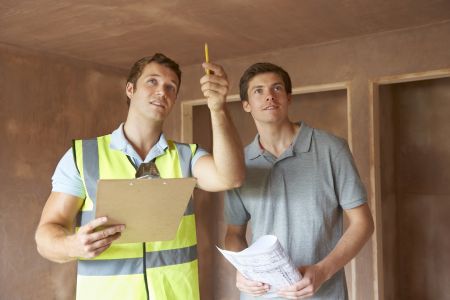
- Pre-drywall inspection: Evaluation of visible framing, structural connections, electrical wiring, plumbing, HVAC components, and other work before insulation and drywall conceal these areas.
- Final inspection: A comprehensive inspection of the substantially completed home before the final walkthrough or closing.
- 11-month warranty inspection: An inspection performed before the builder’s warranty period expires to document visible concerns that may have developed after occupancy.
What Does a New Construction Home Inspection Cover?
The scope depends on the stage of construction and which components are visible and accessible at the time of the inspection. A final new construction inspection generally includes evaluation of:
- Foundation and visible structural components
- Roof coverings, flashing, penetrations, and drainage
- Exterior siding, trim, windows, and doors
- Grading and drainage conditions around the home
- Attic insulation and ventilation
- Electrical service, panels, receptacles, and installed fixtures
- Plumbing supply, drainage, fixtures, and water-heating equipment
- Heating and cooling systems
- Interior walls, ceilings, floors, stairs, and railings
- Kitchen appliances and permanently installed components
- Basements, crawlspaces, garages, balconies, and decks when present
Common concerns can include incomplete installations, missing insulation, improper drainage, damaged materials, plumbing leaks, electrical defects, ventilation problems, and workmanship issues. The inspection is visual and non-invasive and is not a municipal code-compliance inspection.
Clear Documentation for Your Builder
Clients receive a detailed photo report describing the visible findings, why they matter, and which items may require correction or further evaluation. Reports are typically delivered the same day or within 24 hours, allowing clients to share documented concerns with the builder before closing or before the warranty deadline.
Clients are encouraged to attend the inspection, ask questions, and learn how the home’s systems operate. Russian-speaking inspection service is also available.
Frequently Asked Questions
Does a brand-new home really need an inspection?
Yes. New construction can contain incomplete work, damaged components, and installation defects that may not be obvious during a buyer’s walkthrough. An independent inspection provides an additional evaluation performed specifically for the client.
Is a home inspection the same as a municipal inspection?
No. Municipal inspections and approvals serve a different purpose. A home inspection is an independent visual evaluation of accessible systems and components and helps the buyer better understand the property’s condition.
Should the inspection be completed before closing?
Whenever possible, the final inspection should be scheduled after construction is substantially complete but early enough to allow the builder time to review and address documented concerns before the final walkthrough or closing.
Can I attend the inspection?
Yes. Attendance is encouraged because it gives you an opportunity to ask questions, see important findings, and learn more about the operation and maintenance of your new home.